Main Menu (Mobile)- Block

Main Menu - Block
node:field_image_thumbnail | entity_field
custom_misc-custom_misc_featured_summary | block
Dennis Lab /
How do animals use ambiguous sensory cues to perform this natural behavior? We study the behavioral, neural, and evolutionary mechanisms of "hunting in the dark"
custom_misc-custom_misc_lab_updates | block
node:field_content_summary | entity_field
Please visit thedennislab.wordpress.com for up-to-date lab information.
Current Research
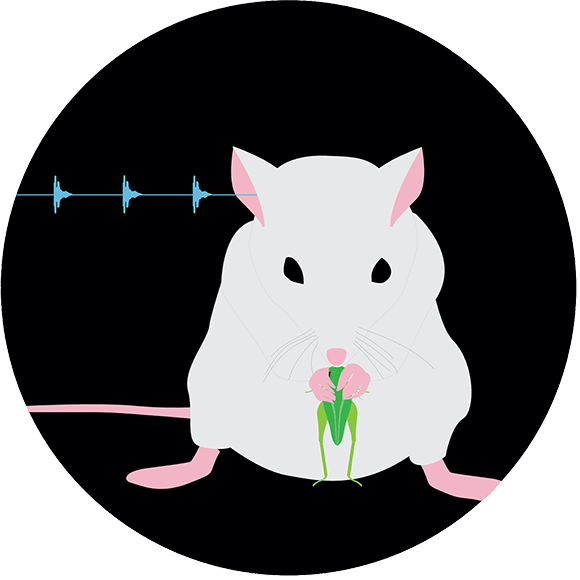
Rodents are generalists, and invertebrates make up a large part of their diet where available. Even lab-raised animals will, with just a few days of exposure, efficiently hunt and eat live prey. In the wild, animals often need to forage in low-light conditions and complex environments where they hear their prey. How do animals use ambiguous sensory cues to perform this natural behavior? We study the behavioral, neural, and evolutionary mechanisms of "hunting in the dark"
janelia7_blocks-janelia7_block_right_hand_rail | block